

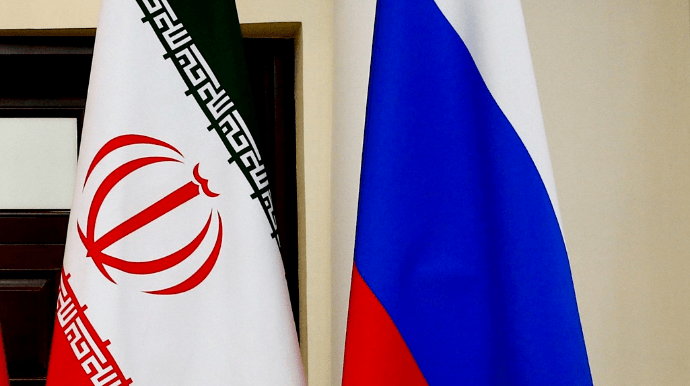
The joint US-Israeli strikes on Iran have severely damaged Tehran’s military infrastructure and inflicted heavy casualties to the country. The ongoing war that began on February 28 has also put Iran-Russia friendship to test. At the time when Tehran needs Moscow’s help as never before, Russia has been careful in its response to the ongoing war in the region, partly due to fear of angering US President Donald Trump who is brokering peace negotiations to end the four-year-war in Ukraine. Russia has officially responded to the Epic Fury – the US-Israeli military operation - on Iran with strong verbal criticism. The Russian government described the joint attacks across Iran as “unprovoked acts of armed aggression” and cautioned that such actions could trigger instability both regionally and globally unless diplomatic channels are re-engaged. Despite this rhetoric, Moscow has refrained from signaling any willingness to offer Tehran any military or logistical support, and has no intention of entering into a direct military confrontation with either the United States or Israel. Furthermore, Kremlin is expected to carefully balance its actions over developments in Iran in order to maintain its image as a strategic counterweight to Western influence while steering clear of involvement in the ongoing war in the Middle East. At the same time, Russia will likely try to preserve its negotiating leverage with Washington on other fronts, including the ongoing efforts to reach a resolution to the war in Ukraine. Russia’s refusal to assist Iran during the time of war is despite the close Moscow-Tehran military ties that grew rapidly since Russia’s full-fledged invasion of Ukraine in February 2022. Iran has supplied Moscow with its Shahed‑series loitering munitions early in the war, and these Iranian‑designed drones became central to Russia’s air campaign against Ukrainian infrastructure and cities as they were inexpensive and difficult for some air defenses to counter. Iranian models such as the Shahed‑136 and Shahed‑131 were produced in large numbers under the name Gerand and regularly used in mass strikes against Ukraine. Moreover, Tehran and Moscow built a drone production facility in Russia’s Alabuga Special Economic Zone in Tatarstan. Iran and Russia have also engaged in broader military and intelligence cooperation. However deep history of cooperation has not been sufficient to prompt Moscow to provide military aid to Iran. Against the backdrop of Moscow’s inaction, signs are emerging that Tehran’s perception of Russia is being affected by the absence of tangible support. Analysts and public commentators within Iran have voiced dissatisfaction over Moscow’s restrained stance, lamenting that Russia has not provided the decisive military assistance that Iranian authorities had anticipated. Discussions on Iranian news outlets and social media have, in some cases, openly questioned Russia’s dependability as a strategic partner. While such criticisms fall short of signaling an official rupture in diplomatic ties, they highlight a growing skepticism about whether Russia is either willing or capable of offering substantial aid in the event of a serious confrontation involving the United States and Israel.
Comments
Leave a Reply
Your email address will not be published. Required fields are marked *